Datum intervjua: 11.03.2008
(for English version, please scroll down)
RockLine: Phil, bok! Kako ste, što ima kod Elixir?
Phil: Svi smo odlično, hvala!
RockLine: Nedavno ste se vratili s festivala Play It Loud! II. 2008 iz Italije (RockLine reportaža OVDJE). Kakvi su vam dojmovi?
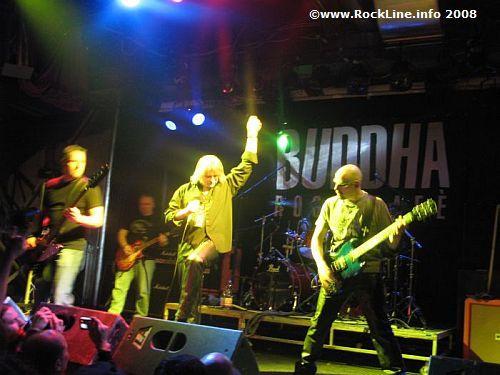
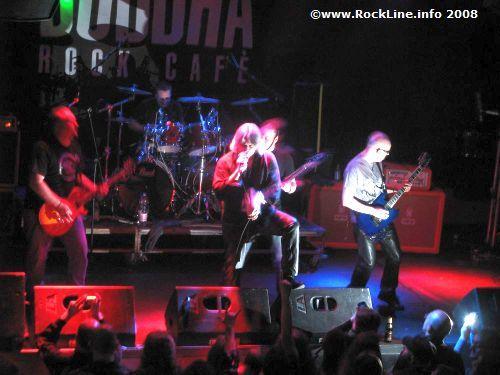
Phil: Bilo je zabavno. Festival je bio vrlo dobro organiziran, odlično su se brinuli za nas, a nadam se da organizatoru nismo napravili preveliki račun zbog popijene količine piva. Festival je bio dobro posjećen, publika nas je izvrsno primila, skandirala je ime našeg benda dok smo se spremali na pozornici za nastup, kao i tijekom cijelog koncerta. Odlično smo se proveli i jako bismo voljeli opet svirati tamo. Upravo sam na našu službenu web stranicu stavio fotografije s festivala: www.coldtown.com/elixir
RockLine: Vaš koncert bio je pravi eksploziv. Stvarno je lijepo što ste opet zajedno. Misliš li da se s vašim povratkom i povratkom bendova poput Cloven Hoof, Diamond Head ili Tygers Of Pan Tang (potonji s koncertnom turnejom u travnju 2008.) počelo nekakvo ponovno oživljavanje New Wave Of British Heavy Metala?
Phil: Sve upućuje na to. Što se mene tiče, ja u Engleskoj sam organiziram festival koji se zove “British Steel Festival” i promovira NWOBHM bendove iz osamdesetih. Uvijek pozovemo četiri benda da nastupe uz Elixir. Na zadnjem “British Steel” festivalu s nama su nastupili Cloven Hoof, Tygers of Pan Tang, Jaguar i Chariot. Danas je izuzetno teško dobiti dobar gig jer su mnogi klubovi stalno zauzeti, posebno u Engleskoj, gdje se trenutno užasno forsiraju “tribute to” bendovi, a organizatore uopće ne zanima pozivati bendove koji sviraju vlastiti autorski materijal. Unatoč tome, u ostatku Europe i svijeta svake godine ima dovoljno drugačijih festivala na kojima rado nastupamo. Mislim da tako novoj generaciji ljubitelja rocka pokušavamo približiti što su Elixir zapravo bili u osamdesetima.
RockLine: 2002. izdali ste album koji je Elixir vratio na scenu. Zove se “The Idol”. Koje su okolnosti dovele do toga da ponovno zajedno uđete u studio, i to nakon više od deset godina mirovanja benda?
Phil: To se dogodilo na Normanovoj rođendanskoj zabavi, kad je slavio 40. rođendan. Svi članovi Elixir bili smo tamo. Na toj zabavi svirali su mladi bendovi. Još prije početka zabave dogovoreno je da još jednom stanemo na pozornicu i odsviramo samo skladbu “Trachery”. Tu skladbu nisam svirao toliko dugo da sam istog dana prijepodne morao slušati stare snimke i vježbati pjesmu. Dok sam tako prebirao po starim snimkama i slušao naše skladbe poput “The Idol” ili “Devil Rider”, učinilo mi se užasnom štetom što te skladbe nikad nismo kako treba snimili ni uspjeli izdati na albumu. Kasnije sam na zabavi rekao ostalim dečkima iz Elixir da imamo hrpu starog materijala koji nikad nismo iskoristili na albumima. Kod kuće imam neku opremu za digitalno snimanje, a u to mi je vrijeme pomagao i Mike Emson, tip koji je tada sa mnom surađivao na pisanju skladbi. Na zabavi sam uvjerio dečke da zajedno snimimo te skladbe. Namjeravali smo ih snimiti isključivo za sebe. No nekoliko tjedana nakon Normanove zabave javila mi se grčka diskografska kuća Cult Metal Classics jer je željela izdati naš prvijenac “The Son Of Odin” na CD-u. Mislio sam da više nema nikakva interesa da netko ponovno izda 15 godina star album, ali Manos, tip koji je tada radio u kući, uvjeravao me da je album u Grčkoj postao kultni i da je potražnja za njim zapravo velika. Pristali smo na namjeru izdavača i u samo mjesec dana nakon izlaska albuma u Grčkoj prodali smo 1000 primjeraka reizdanja. Cult Metal Classics nas je zatim pitao imamo li još kakav materijal pa su sve te stare skladbe koje smo htjeli snimiti samo za sebe završile na novom albumu “The Idol”, koji je izašao preko Cult Metal Classics na vinilu, a na CD-u u našem samizdatu. Nakon toga pozvali su nas da budemo headlineri festivala Heavy Metal Assault Festival u Ateni. Sve se odvijalo tako brzo da nismo ni skužili da zapravo opet zajedno nastupamo na pozornicama i opet zajedno snimamo.
RockLine: Jesu li osjećaji u studiju ili na pozornici još uvijek isti kao nekad, primjerice u osamdesetima?
Phil: Mislim da smo na pozornici još uvijek entuzijastični kao nekad, ali s tom razlikom da smo sada samouvjereniji i opušteniji. U osamdesetima smo osjećali teret želje da postanemo profesionalni bend, bili smo pod pritiskom da se moramo dokazati. Danas na pozornicu izlazimo isključivo zato da se zabavimo, što nam nedvojbeno piše i na licu. Isto vrijedi i za studio. Puno više vjerujemo sami sebi. Sjećam se da je, kad smo počeli snimati album “The Son Of Odin”, studio za nas bio potpuno novo okruženje. U studiju vladaju određena pravila ponašanja i ako u vremenu koje ti je namijenjeno ne znaš što bi radio sa svom opremom oko sebe, to te može dovesti u neugodnu situaciju. Danas nam je proces snimanja puno poznatiji i jasniji pa smo u studiju puno pouzdaniji, uspješniji i samouvjereniji u svom poslu.
RockLine: Očito vam je “The Idol” dao dobar šut i inspiraciju za dalje. Tako ste 2006. izdali novi studijski album “Mindcreeper”. Možeš li opisati razlike u okolnostima nastanka dvaju albuma? Kako je tekao skladanje i pisanje materijala, odakle ste crpili ideje, itd…?
Phil: Najveća razlika između albuma “The Idol” i “Mindcreeper” bila je u tome što smo za “The Idol” morali iznova učiti pjesme, dok se na albumu “Mindcreeper” nalaze doista same nove skladbe na kojima smo radili i koje smo razvijali. Otkad smo pisali skladbe za “The Idol”, prošlo je toliko vremena da smo sav materijal potpuno zaboravili. Srećom, imali smo stare snimke s kojih smo ih ponovno učili. Osjećaj je bio kao da snimamo album obrada. Morali smo shvatiti što uopće sviramo. Ponekad bi se dogodilo da su naše ruke već posve instinktivno odsvirale neki dio koji smo tek pokušavali naučiti, i taj je osjećaj bio vrlo čudan.
Za “Mindcreeper” smo potrošili puno vremena radeći na novim skladbama pa smo bili jako dobro pripremljeni kad smo otišli u studio. To je vrijedilo za sve skladbe osim “Guding Star”. Za tu skladbu nisam želio da je Kev i Nigel čuju prije nego što odemo u studio i snimimo je. Naime, toliko je jednostavna da me bilo strah da će je preodlično naučiti i toliko se s njom uhodati da bi bila tehnički predobro odsvirana i tako izgubila onaj dašak spontanosti. Zato sam za tu skladbu kod kuće snimio demo, odmah nakon što sam je napisao. Demo sam pustio članovima benda da provjerim sviđa li im se skladba. Reakcija je bila pozitivna, ali s namjerom sam izašao na vidjelo tek kad smo bili u studiju. Tada sam demo donio u džepu i dečke stavio pred gotov čin. Tako smo i na toj skladbi u studiju sačuvali dašak spontanosti. Mislim da sam povukao pravi potez jer se dijelovi skladbe koje su Kev i Nigel unijeli u studiju savršeno uklapaju u konačnu sliku skladbe.
Proces snimanja oba albuma bio je vrlo sličan po tome što smo sve bas gitare i bubnjeve snimili tijekom jednog vikenda, a zatim se nekoliko puta vraćali u studio da snimimo sve gitare, vokale i ostale dodatke. Kad smo snimali album “The Son Of Odin”, potrošili smo devet punih dana, album je nastajao u dijelovima. Razgovarali smo o tome da to ponovimo i za naš novi album. Snimanje u jednoj dugoj sesiji ili snimanje dio po dio kroz nekoliko mjeseci imaju svoje prednosti, ali i mane.
RockLine: Po onome što sam čuo na albumu “The Idol” sigurno niste još rekli posljednju. Nažalost, još nisam čuo “Mindcreeper”, ali zaključujem da ste Elixir još puni energije i želje da svijetu podarite što više dobre glazbe. Koji su bili kreativni ciljevi kad ste odlučili složiti album “Mindcreeper”?
Phil: Hvala. Drago mi je čuti da ti se sviđa “The Idol”. “Mindcreeper” upravo putuje zračnom poštom prema tvojoj adresi.
Dakle, kad smo se ponovno našli u studiju za snimanje albuma “Mindcreeper”, naš prvi cilj bio je uživati u drugoj prilici koja nam je dana da opet budemo zajedno. A kreativni ciljevi koje smo si pritom postavili bili su:
1. Da napokon složimo svoj pravi drugi studijski album. Osobno smatram da je izdanje našeg drugog studijskog albuma “Lethal Potion” bilo grozno i potpuno drukčije od onoga što smo sami zamislili kao svoj drugi studijski album. Došao sam do originalnih snimaka i dao se u to iznova tako da sam album s odgovarajućim miksom digitalno remasterirao. Tako je album ponovno izašao pod naslovom “Sovereign Remedy”. Na njemu je svih 14 skladbi snimljeno redoslijedom kakav smo mi iz Elixir oduvijek htjeli.
2. Da snimimo album sa svim preostalim skladbama nastalim u osamdesetima. Tako je nastao album “The Idol”.
3. Da snimimo posve novi studijski album. Tako je nastao “Mindcreeper”.
Kad smo se ponovno okupili, ostvarili smo sve te ciljeve!
RockLine: Što vas je zadržavalo da vam je trebalo čak 4 godine da izdate “Mindcreeper”?
Phil: Vrijeme i novac. Svi imamo obitelji pa nemamo više toliko vremena za probe i snimanje kao nekad. Snimateljski studio je također skupa stvar, a kad jednom imaš obitelj, ostane ti malo novca koji uštediš i uložiš u bend. Zato, da bismo pokrenuli sljedeći Elixir projekt, taj novac moramo zaraditi prodajom svojih albuma i nastupima benda. Da zaradiš novac s kojim kreneš u novi projekt, treba duže vremensko razdoblje. Volio bih da ljubitelji našeg benda znaju da novac koji bend zaradi od prodaje majica i CD-a ide ravno u naš sljedeći Elixir projekt i da sebi taj novac ne isplaćujemo. Zato nam svatko tko kupi naš CD ili majicu ili jednostavno kupi kartu da nas gleda uživo izravno pomaže u prikupljanju novca za naše sljedeće snimanje.
RockLine: Phil, možeš li nam potvrditi da je bend u razdoblju od četiri godine između “The Idol” i “Mindcreeper” napokon pronašao unutarnju konsolidaciju i konzistentnost i da u budućnosti možemo računati na još glazbe od Elixir?
Phil: Mislim da smo sada, kad smo ponovno ujedinjeni, sretniji nego ikad prije i da i funkcioniramo bolje nego ikad prije. Stariji smo i iskusniji. Ne znamo koliko ćemo dugo moći nastaviti, ali namjeravamo uživati u svakom trenutku. Kad čuješ naš album, nadam se da ćeš se složiti da je naš novi album barem jednako dobar kao sve što smo prije njega izdali.
RockLine: Možemo li vaš novi album očekivati već za godinu ili najviše dvije?
Phil: Radimo na novom materijalu. No kad smo se vratili s festivala Play It Loud! II. 2008 i pokušali stupiti u kontakt s našom diskografskom kućom Majestic Rock da nam pošalje još materijala (CD-a), koji su se lijepo prodali na festivalu u Italiji, ustanovili smo da je kuća propala. To je za nas vrlo loša vijest jer nam kuća nije isplatila ni lipe od prodaje naših albuma, a istodobno to znači da smo trenutno bez izdavača. Nadalje, to znači da nećemo imati novca da u bližoj budućnosti snimimo album, osim ako se ne pojavi neka diskografska kuća koja upravo čita ovaj intervju i zainteresirana je da nas odvede u studio. S tim smo se suočavali još u osamdesetima, kad nismo dobili ugovor s izdavačem, i uvijek smo preživjeli. Vidjet ćemo što će se dogoditi sada. Očito je danas, u doba masovnog “downloadanja”, teško preživjeti i većim izdavačima, pa ćemo se vjerojatno morati okrenuti nekim alternativnim rješenjima za izdavanje novog albuma. Ako dobijemo novac za snimanje, album možemo izdati tako da bude dostupan samo za “download” i ništa više. Na taj način, odnosno prodajom preko naše službene web stranice, vratit će nam se barem novac koji uložimo u samo snimanje albuma. Možda ćemo potražiti priliku i za izdavanje videa. Trenutno je teško bilo što reći jer ne znam kako će se stvari za nas odvijati, ali vrijedi istražiti sve opcije.
RockLine: Što se točno dogodilo u petak, 13. veljače, davne 1987.?
Phil: Bio je to jedan od onih dana kad sve ide naopako. Imali smo nastup u gradu Poole, na jugu Engleske. Ukrcali smo se u kombi i krenuli prema Pooleu, ali bez našeg basista Keva, koji tog dana nije mogao dobiti slobodan dan na poslu. Zato je dogovoreno da Kev dođe zasebno vlakom i da nam se pridruži za gig kasnije istog dana. Na putu smo stali na autocesti na ručak i dogodilo se da smo u restoranu ostavili našeg bubnjara Nigela i roadieja Simona. To smo skužili tek nakon nekoliko poštenih milja vožnje prema Pooleu. Okrenuli smo se natrag do restorana, gdje smo našli Nigela i Simona kako stopiraju prema Pooleu. To je bilo doba prije nego što je svijet upoznao mobitele.
Kad smo stigli u Poole, smjestili smo se i odradili “soundcheck”, ali bez Keva, koji još uvijek nije stigao vlakom. Kev je stigao, ali jako kasno jer je njegov vlak imao veliko kašnjenje. Jako smo se brinuli da neće uspjeti doći.
Na početku nastupa imali smo snimljen uvodni dio na klavijaturama prije nego što bismo zapravo počeli svirati. Paul je greškom pritisnuo krivu tipku da pokrene uvodni dio i tako se umjesto prave uvodne glazbe preko glavnog ozvučenja vrlo glasno počeo razlijegati uzorak bubnjeva u bossa nova ritmu. Svjedočili smo kiselim pogledima neodobravanja i općoj zbunjenosti kad smo pogledali prema publici, ha, ha!
U set listi je Nigel tijekom skladbe “Trachery” imao svoj solo na bubnjevima i dok ga je izvodio, Kev je bez previše okolišanja iskoristio taj trenutak da ode na toalet i olakša se. Prije toga je još viknuo Nigelu da, dok ga nema, samo nastavi sa solom. No dogodilo se da su se, kad se Kev htio vratiti na pozornicu, vrata koja vode na pozornicu s vanjske strane sama zaključala. Kev je lupao po vratima da ga netko pusti unutra, ali nitko ga nije čuo. Nakon nekoliko minuta bubnjarskog sola Nigel je odradio završni prijelaz kojim se ostatak benda priključio u skladbu. Srećom, Kev je imao radijski prijenosnik i glazbu je čuo kroz vrata pa je mogao odsvirati ostatak skladbe “Trachery”, zaključan vani, s druge strane vrata koja vode do pozornice. Kad se skladba završila, čuli smo ga kako lupa po vratima, otključali smo ih i Kev se vratio na pozornicu. Bio je naravno krajnje postiđen!
Osim toga, i drugi su pritisci utjecali na naš nastup te večeri. Kev je upoznao novu curu kojoj očito nije bilo drago što se Kev vrti okolo s bendom. U to su nam se vrijeme tek počela otvarati vrata za proboj, imali smo dogovoren veliki nastup u Belfastu (Sjeverna Irska) i puno vremena i ulaganja otišlo je na promociju tog nastupa. I baš prije toga Kevu njegova nova cura postavi ultimatum da će, ako Kev ode s nama u Belfast, prekinuti vezu s njim. To je bio velik pritisak za Keva i čak i da smo nastupili u Belfastu bez Keva, s čovjekom koji je uskočio u bend samo da odradimo nastup u Belfastu, to nije riješilo problem koji je očito ležao u Kevovoj curi. To je bio dan raskola u bendu. Nakon koncerta u Pooleu razgovarali smo o tome i Kev je odlučio napustiti bend. Nigel, koji je Kevov brat, ubrzo nakon toga također je odlučio otići. Iako smo našli zamjene u raznim basistima i bubnjarima, kemija više nije bila ista i izgubili smo dio svog šarma. Uz svo poštovanje prema svima koji su naslijedili Keva i Nigela, moram naglasiti da smo samo s njima bili onaj pravi bend koji je suosnivao i definirao Elixir zvuk. Srećom, kad smo se sreli na Normanovoj zabavi za njegov 40. rođendan, te Kevove cure već odavno nije bilo na sceni, tako da sada svi u bendu imamo sjajne žene i partnerice koje nas podržavaju u onome što radimo.
RockLine: “The Son Of Odin” bio je fantastičan početak. A onda to nekako niste uspjeli iskapitalizirati. Što je dovelo do toga, koje su bile okolnosti da Elixir nisu uspjeli postati veće i prepoznatljivije ime na rock i metal sceni?
Phil: Najveća prepreka koja je zaustavila naš daljnji razvoj u tom smjeru bila je to što nismo uspjeli potpisati ugovor s izdavačkom kućom. Sami smo morali podići ušteđevinu u banci da bismo mogli izdati “The Son Of Odin” i otisnuti ga u 2.000 primjeraka. Naš prvijenac dobio je odlične ocjene i recenzije, prodaja je bila odlična. Album se izvrsno prodavao u legendarnim dućanima kao što su Rock record shop i Shades u Londonu. Odlične smo reakcije dobili i nakon što smo nastupili u emisiji BBC Radio 1 Friday Rock Show iste godine, a čak je i sam Ronnie James Dio za naš singl “Trachery” dao pohvalnu ocjenu u glazbenom časopisu Kerrang!. Zato su tada stvari za Elixir izgledale vrlo obećavajuće. Mislim da bismo, da smo tada uspjeli potpisati ugovor s izdavačem koji bi nas distribuirao po svijetu, doživjeli puno veći uspjeh. Svi znakovi opće potpore, koji su govorili u našu korist da to što radimo radimo kako treba, bili su iza nas, trebala su nam samo još sredstva da svojim imenom i glazbom dosegnemo više ljudi.
RockLine: Što se događalo s bendom tijekom devedesetih? Jeste li članovi bili uključeni u neke druge projekte?
Phil: Paul i Norms svirali su zajedno u postavi Beggars, Thieves and Madmen. Kev i Nigel nastavili su karijeru osnovavši bend Saratoga, a ja sam se vratio u rodni grad, zajedno sa ženom i sinom, gdje sam svirao po pubovima u blues rock bendu Rough Diamond, koji je svirao isključivo obrade. Među ostalim, svirali smo i obrade sastava Free i Bad Company. Istodobno sam pisao i vlastiti autorski materijal zajedno s Mikeom Emsonom, koji je bio klavijaturist i gitarist u Rough Diamond. Pozvali smo Paula da snimi vokale za nekoliko skladbi. To sam radio sve dok mi se nije javila diskografska kuća Cult Metal Classics s željom da izda “The Son Of Odin” na CD-u.
RockLine: Koje su glavne fizičke razlike između nastupa Elixir u osamdesetima i danas?
Phil: Pa, stvarno mi nedostaju pirotehnički efekti, ali svi zdravstveni zakoni i zakoni o sigurnosti sprječavaju nas da ih koristimo. Inače mislim da se nismo puno promijenili. Ako posjetiš našu web stranicu i klikneš na rubriku “media”, moći ćeš usporediti sadašnje videosnimke sa snimkama iz 1986. na kojima izvodimo skladbe “Pandora’s Box” i “Son Of Odin”. Neki mladi obožavatelj benda rekao je, kad je pogledao te snimke, da, iako izgledamo starije, na pozornici još uvijek radimo potpuno iste pokrete kao nekad. Mislim da se uživo, od nekad do danas, nismo puno promijenili, osim što imamo manje kose i više kila.
RockLine: Planirate li Elixir uskoro neku europsku turneju?
Phil: Jako bismo voljeli svirati više po Europi, ali nemamo “tour” menadžera koji bi nam u tome pomogao, a nismo ni dovoljno upoznati sa svim povoljnim lokacijama na kojima bismo mogli svirati. Moramo se oslanjati na kontakte i ljude koje upoznajemo i koji nas preporučuju koncertnim promotorima u svojim zemljama. Rado nastupamo na festivalima, kao što je npr. Play It Loud! (2008), i uvijek nas jako zanima nastupati u zemljama u kojima prije nikad nismo nastupali. I ako netko od promotora u Sloveniji ili bilo gdje drugdje čita ove retke i želi dovesti Elixir u svoju zemlju, neka me molim kontaktira preko naše službene web stranice.
RockLine: Kratkoročni planovi za budućnost Elixir?
Phil: Trenutno želimo svirati što više po koncertima, a također snimiti što više glazbe prije nego što nas okolnosti prisile da stanemo. Svjesni smo da nam je dana druga prilika pa planiramo maksimalno je iskoristiti i pritom cijelo vrijeme uživati u svom poslu.
RockLine: Phil, hvala što si odvojio dragocjeno vrijeme za ovaj intervju i pitanja. Imaš li možda još kakvu poruku za naše čitatelje?
Phil: Poruka svima koji poznajete Elixir jest da vam želimo jednog dana svirati i u Sloveniji. A svima onima koji Elixir ne poznaju, pozivam vas da posjetite i pogledate našu web stranicu: www.coldtown.com/elixir ili da svratite na našu myspace stranicu: www.myspace.com/officialelixir . Hvala i tebi za ovaj intervju!
Elixir – legendary New Wave Of British Heavy Metal act, mostly remembered by their cult classic debut album “The Son Of Odin” (1985), are back on the scene. After releasing, as they call it, their true second studio album “Mindcreeper” (2006) – RockLine review HERE, these guys are proving that they still have the hunger and lust to deliver some great classic metal stuff and play live gigs around the globe. Guitarist Phil Denton is leading us through the exciting story of Elixir so far. It doesn’t get any closer than that.
RockLine: Hello Phil! How are you guys doing?
Phil: We are all very well, thank you!
RockLine: You’ve just returned from Play It Loud festival II. in Italy (RockLine report HERE)? What are your impressions?
Phil: We had a great time. The Festival was very well organised, and we were looked after extremely well – in fact I hope the beer bill didn’t turn out too expensive for the organisers!! The Festival was well attended and the crowd gave us a fantastic reception, chanting our name while we were setting up and continuing throughout our set. We had such a great time that we would love to go back again someday. I have just uploaded pictures from the festival at our website: www.coldtown.com/elixir
RockLine: Your show in Italy was a blast! Great to have you back together. With bands like Elixir, Cloven Hoof, Diamond Head or Tygers Of Pan Tang (later kicking their tour off in April 2008), back on the scene, do you think we are dealing with a ressurection of NWOBHM nowdays?
Phil: It is looking that way. For my part, I organise a festival in England called the ‘British Steel Festival’ which promotes 80’s NWOBHM bands. We invite four bands to play on the bill with us, and at the last one we had Cloven Hoof and Tygers of Pan Tang, as well as Jaguar and Chariot. It is harder to play good gigs these days, as a lot of live venues, especially in Britain, are geared up to having tribute acts on all the time, and they are not very interested in having bands playing original material. However, there are a lot of great festivals going on around Europe and the rest of the World, and bands like us love playing these. I think that we are all doing our little bit to try to show the new generation of rock fans what we were up to back in the 80’s.
RockLine: In 2002 you released your comeback album “Idol”. What circumstances led you to make the decision to finally enter the studio again, after more than 10 years of the band’s hiatus? Do you think that the Norman’s 40 birthday party back in 2001 opened a new chapter for Elixir, or let me put it that way: Elixir was born again?
Phil: Yes, it was Norman’s birthday party that started our revival. We were all there and, as there were live bands playing, it was agreed before the party that we would get up on stage to play ‘Treachery’ one more time. I hadn’t played the song for so long that I listened to an old live tape that afternoon to practice. I came across a lot of songs on the tape such as ‘The Idol’ and ‘Devil Rider’, and thought that it was a shame that we hadn’t recorded those songs properly for an album. I mentioned to the boys at the party that we had an albums worth of old material that we had never recorded, and as I had a digital recording facility with my song-writing partner of the time, Mike Emson, I suggested that we could get together just to record those songs for ourselves. Then, a couple of weeks after Norman’s party, the Greek label Cult Metal Classics, contacted me wanting to release ‘The Son of Odin’ album on CD. I thought that there would be no interest in a 15 year old album, but Manos at the label assured me that it had become a cult album and there would be a lot of interest. So we agreed to the release, and it sold out 1000 copies in a month! Cult Metal Classics then asked if we had any other material, and so all the old songs that we were recording for ourselves, suddenly got released as ‘The Idol’ album on vinyl by Cult Metal Classics, and by ourselves on CD. We were then invited to headline the Heavy Metal Assault Festival in Athens, and so, before we knew what was happening, we were back playing live and recording again!!
RockLine: Are the feelings still the same when you are in studio or on stage, as they were in NWOBHM golden era (eighties)?
Phil: I think that we are just as enthusiastic on stage, but more confident and relaxed now. In the 80’s we really wanted to turn professional and felt that we had to prove ourselves. These days, we just go out to enjoy ourselves and I think that shows in our faces when we play. As for the studio, again I think we are more confident now. When we first started, and when we recorded ‘The Son of Odin’, we were new to the studio environment, and studios can be intimidating places when you do not know your way around the equipment. These days, we understand more about the recording process, and so we are more confident in what we do.
RockLine: “The Idol” obviousely gave you a nice kick and was an inspiration, so that in 2007 you released your latest studio achievement called “Mindcreeper”. Can you describe the differences between both albums regarding the ideas (musically speaking) and the writing, recording process?
Phil: The biggest difference between ‘The Idol’ and ‘Mindcreeper’ was that we had to re-learn the songs for ‘The Idol’ while ‘Mindcreeper’ was all new songs that we had been working on and developing. It had been so long since we had played the songs on ‘The Idol’ that we couldn’t remember them, but luckily we had the tapes to learn from. It was like recording a covers album, almost. We had to work out what we were playing. Sometimes though, our hands would just instinctively play a part that we had been trying to learn, which was weird.
For ‘Mindcreeper’ we had spent a fair bit of time working on the new songs, so we were well rehearsed when we went into the studio. Except for ‘Guiding Star’, which I didn’t want Kev and Nigel to rehearse before we went to record it. It is such a simple song, and I was worried that if they rehearsed it too much, they might get too familiar with it and over-play their parts. I recorded a demo of it at home when I had written it, and had played it to the band to make sure that they liked it, but just kept it back to play spontaniously in the studio. I think I made the right decision, because the bass and drum parts that Kev and Nigel came up with in the studio fit perfectly with the song.
The recording process of both albums was similar, in that we laid down the bass and drums in a weekend, and then went back in numerous sessions to record the guitars, vocals and extras. When we recorded ‘The Son of Odin’ we went into the studio for 9 days solid and worked continuously on the album. We discussed that we might like to do that again for the next album. Recording in one big session, and recording bit by bit over several months, both have advantages and disadvantages.
RockLine: Unfortunatelly I haven’t heard “Mindcreeper” yet, but what I experienced when listening to “The Idol”, a brilliant album by the way, I think you still have a lot to offer to the musical world. The beast is still hungry. What can you tell us about your new creative goals?
Phil: Thanks, I’m glad you liked ‘The Idol’ and a copy of ‘Mindcreeper’ is on it’s way to you.
When we did get back together, our first goal was to just enjoy having this second chance. Our creative goals were:
1. To put right our second album – I thought that the ‘Lethal Potion’ release was terrible, and nothing like our second album was supposed to have been. I got hold of the original tapes and took the proper mix to be digitally re-mastered. All 14 songs are back in the proper running order, with the proper mix and under the proper title ‘Sovereign Remedy’.
2. To record all of the remaining songs from the 80’s – this eventually became ‘The Idol’ album.
3. To record a brand new album – which eventually became ‘Mindcreeper’.
So we have achieved our creative goals that we set when we got back working together again.
RockLine: What kept took you so long (5 years) to release a new studio album “Mindcreeper”?
Phil: Time and money. We have families and do not have as much time to write and rehearse together as we used to have. It also costs us a lot of money to go into the recording studio. As we have families and homes, we do not have a lot of personal money to put into the band. Therefore we have to earn our band money through album sales and live shows to put towards our next project. It took time to earn the money to invest in a new recording. I would like our fans to know that the money the band makes goes back into band projects, we do not pay ourselves money. Therefore, when someone buys a CD or one of our T-shirts, or pays to see us play live, they are directly helping us towards raising money for our next recording.
RockLine: Can you confirm that the band found inner consolidation or consistency again in the 4 years between “The Idol” and “Mindcreeper”?
Phil: I think we are back together, happier than ever, and working as well as ever.
We are older and wiser, and do not know how long we can continue, but we intend to enjoy ourselves every step of the way! When you have heard ‘Mindcreeper’, I hope you agree that our new album is as good as anything that we have done before.
RockLine: Can we therefore expect a new album to be released already in a year or two?
Phil: We are working on new material. However, after we returned from Play It Loud we tried to contact our label, Majestic Rock, for more stock, as we sold out of some of our albums in Italy. We discovered that Majestic have collapsed, which is bad news for us as we haven’t been paid any royalties for our albums and it also means that we do not have a label now. This means that we will not have the money to record a new album in the near future, unless there is a label reading this that is willing to put us into the studio! We faced adversity in the 80’s when we couldn’t get a label to sign us, and we always come through, so we shall see what happens this time. It seems that it is hard for even the major labels to survive in this day of downloading, so maybe we need to look at alternatives to making a new album. If we get the money to record new material, we could release it as download only, so that we will at least get our money back if we sell it ourselves through our website.
Or we could look at releasing videos. I do not know how things will turn out for us, but it is worth exploring all options.
RockLine: What exactly happended on Friday 13th of Febraury back in 1987?
Phil: It was one of those days when everything went wrong! We were playing a gig in Poole, which is in the South of England. We loaded up the van and set off, but without Kev, our bass player, who couldn’t get the day off work, so he agreed to travel down by train and meet us there later. On the way, we stopped off for lunch at a motorway service station, and somehow managed to leave Nigel, our drummer, and Simon, our roadie behind! It wasn’t until we were a good few miles down the road that we realised that they were not with us! We turned back and returned to the service station, where we found them trying to hitch hike down to Poole! It was the days before mobile phones, so they didn’t know what had happened when they had returned to the van to find it gone!
When we got there, we had set up and had a soundcheck but without Kev, who had still not arrived by train. He eventually arrived really late as his train had been severely delayed. We were all very tense and worried by then, thinking that he wouldn’t make it.
Then there was the intro music – we had a keyboard that we used for the intro before we started playing. Paul hit the key and accidently started the built in drum machine playing a loud bossa nova drum beat through the P.A.!! You could see the faces of the crowd looking very puzzled – ha ha!
During the set, Nigel was playing a drum solo in ‘Treachery’ and Kev was desperate to go to the toilet. He shouted to Nigel to keep going while he went to relieve himself, but as he left the stage, the internal door between the side of the stage and the toilet locked shut behind him! Kev was banging on the door to be let back in but no-one could hear him! Eventually, after several minutes of playing his drum solo, Nigel went in to the drum roll to take us back into the song. Luckily, Kev was using a radio transmitter and could hear through the door, so he played the rest of the song outside! When the song finished, we could hear him banging and shouting at the door, so we then unlocked it and he came back on stage looking sheepish!
There had also been a bit of simmering tension leading up to the gig, because Kev was with a new woman who didn’t seem to like him going away with the band. We had just set up a big gig in Belfast, Northern Ireland, and a lot of promotion had gone into it, when Kev’s new woman gave him an ultimatum, that if he went with us to Belfast, she would finish with him. That put a lot of pressure on him, and although we had agreed to go to Belfast with a stand-in bass player, it didn’t solve the root of the problem, which was her. This had caused friction leading up to that day, and after the gig, we had a bit of an arguement over it, and Kev decided that he would leave the band. Nigel, our drummer, being his brother, eventually decided to go with him, and so that day was the day that the band fractured. Although we found replacement bass players and drummers, the chemistry just wasn’t the same and we lost some of our magic. I mean no disrespect to those who came in, but we were the ones that created the Elixir sound, and we just work best with each other. Fortunately, Kev’s woman was off the scene by the time we met again at Norman’s birthday party, and we all have great wives and partners now, who support us in what we do.
RockLine: “The Son Of Odin” was a fantastic start for the band back in the eighties. It seemed a new heavy metal star was born with Elixir. But then the band failed to achieve better recognition and to establish a bigger name. How would you comment this? Were there any peculiar circumstances that prevented a bigger breakthrough for Elixir on the world’s heavy metal scene?
Phil: I think that the biggest thing holding us back was that we couldn’t get signed to a label. We had to get a loan from the bank to release ‘The Son of Odin’ on our own label and pressed two thousand copies. The debut album received great reviews, and the sales were great in the places where it was sold, such as the legendary Rock record shop, Shades, in London. We had also had a good response following our BBC Radio 1 Friday Rock Show session that same year, and even Ronnie James Dio himself had given our ‘Treachery’ single a good review in Kerrang! Magazine, so things were looking good for us. I think that if we had been signed with a label, that could get us distributed Worldwide, we would have had much better success. All the signs were there that what we were doing was being appreciated, we just needed the means to reach a lot more people.
RockLine: What was happening with the band during the nineties? Were you involved in other musical projects, too?
Phil: Paul and Norms worked together in an outfit called Beggars, Thieves and Madmen. Kev and Nigel went on to form a band called Saratoga, and I moved back to my home town with my wife and young son, and played pubs in a blues-rock covers band called Rough Diamond, playing songs by bands such as Free and Bad Company. I was also writing original songs in that same style with Mike Emson, who was the keyboard/guitar player in that band. We envited Paul to record some vocal tracks on some of those songs,and that was what I was doing up to the time when Cult Metal Classics contacted me to release ‘The Son of Odin’ CD.
RockLine: What are the main differences between your stage performances nowadays and those in the eighites.
Phil: Well, I really miss not having the pyrotechnics, but all the health and safety laws these days prevent us from using them!! Apart from that I think we haven’t changed that much. If you visit the media page of our website: www.coldtown.com/elixir you will find recent videos and also the clips of ‘Pandora’s Box’ and ‘Son of Odin’ from 1986. One young fan said that, although we look a bit older, we still make the same moves onstage now as we did back then! I don’t think we are much different live now to then, except that we have less hair and more weight!!
RockLine: Are you planning a European tour in the near future?
Phil: We would love to tour more around Europe, but we do not have a tour manager to help us with that, and we do not know all the good venues to play. We have to rely on contacts and people we meet recommending us to promoters in their country. We love playing festivals, such as Play It Loud, and we are always interested in getting to play in new countries that we haven’t played before. So if any promoters in Slovenia or elsewhere are reading this and wish to bring Elixir to their country, please contact me through our band website.
RockLine: What are the band’s other future goals?
Phil: Now that we have achieved our objectives that we set when we got back together, we are now looking to play as many shows as we can, and record as much material as we can, before circumstances force us to stop. We know that we have been given a second chance, and plan to make the most of it, and enjoy ourselves along the way, before we have to stop.
RockLine: Thank you for taking the time to answer a few questions. Do you have any message for our readers?
Phil: For those of you who know us, we would love to come to Slovenia one day to play for you. For those who do not, please visit our website: www.coldtown.com/elixir or drop by on our myspace page: www.myspace.com/officialelixir
Thanks for the interview.
Galerija slika